
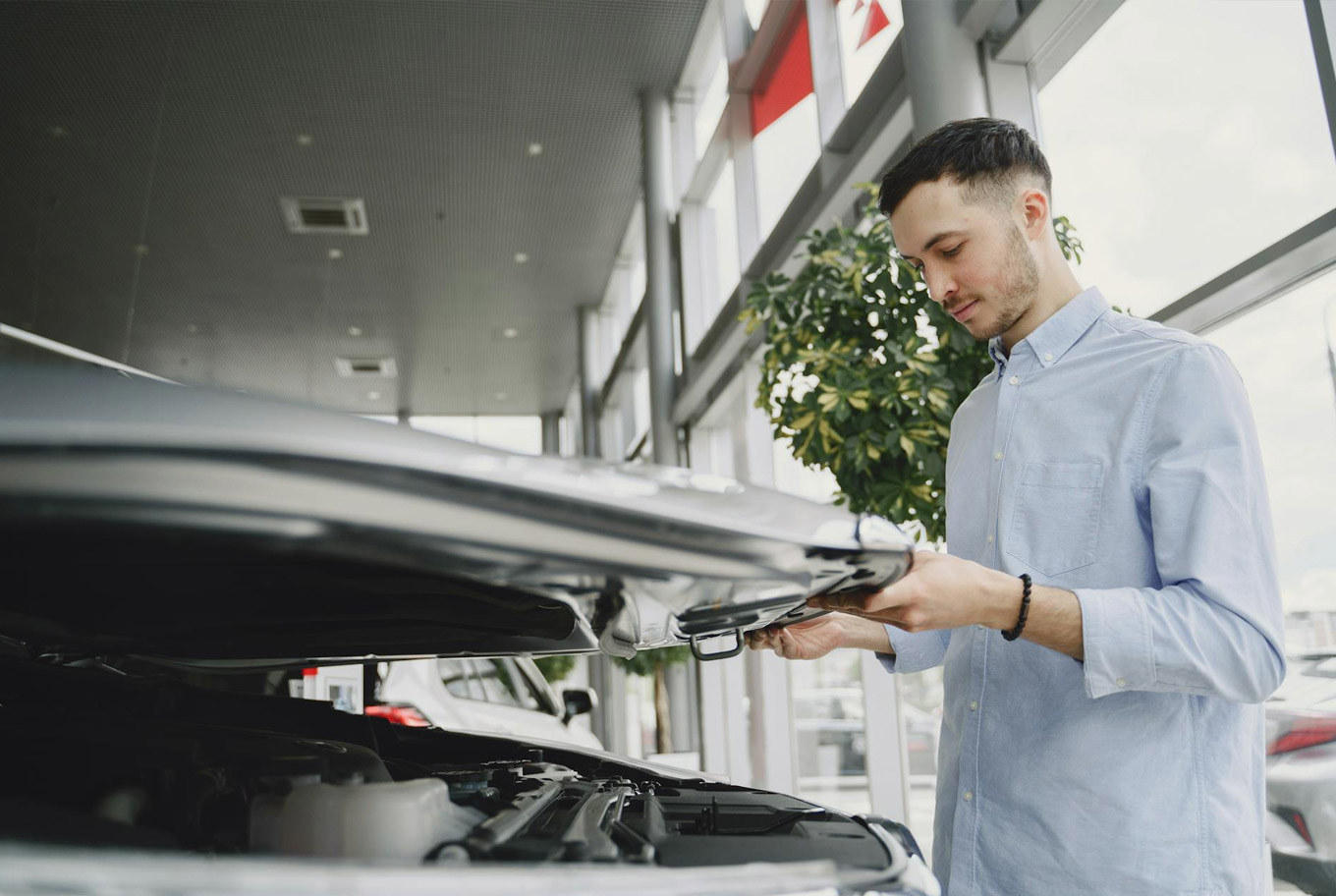
That’s why it’s essential to check a car for finance before you buy. Below, we’ll walk through how to do it properly, why it matters, and how tools like a carsales vehicle history report, a CarFacts History Report, and a RedBook Inspect purchase inspection can protect you.
Why you must check for finance owing on a car before buying
If there is finance owing on a car before buying, the debt stays with the vehicle, not the seller. This is one of the most common and costly mistakes used car buyers make.
Checking for finance helps you:
- Avoid repossession by a finance company
- Confirm the seller owns the car
- Negotiate with confidence
- Walk away from risky deals early
Whether you’re buying privately or through a dealer in Sydney, Melbourne, Brisbane, Adelaide, or Perth, the risk is the same.
How to check if a car has finance
1. Get a CarFacts History Report
The easiest way to check a car’s remaining finance is with a CarFacts History Report. This report checks the Personal Property Securities Register (PPSR) and other key databases to show whether a vehicle has money owing or other serious issues.
A CarFacts History Report can reveal:
- Current finance or loans secured against the car
- Whether the car has been written off or stolen
- Registration and ownership history
- Odometer discrepancies
You can also get a Vehicle History Report directly from carsales, making it simple to check a vehicle you’re already viewing online.
In addition to the vehicle’s history, the carsales report also includes market and pricing insights. It’s a fast and reliable way to confirm whether there’s finance attached to a car and where the vehicle sits in the market.
2. Match the VIN, not just the rego
Always run the report using the Vehicle Identification Number (VIN), not just the registration number. Rego plates can be changed, but the VIN stays with the car for life.
If a seller won’t provide the VIN, that’s a red flag.
3. Don’t rely on the seller’s word
Even honest sellers can get this wrong. Some assume the finance was cleared when it wasn’t, or they misunderstand how secured loans work.
A written promise isn’t enough. You need proof from an independent source confirming there is no finance recorded.
Using a CarFacts History Report
If you’re browsing cars on carsales or anywhere else, you have the option to purchase a CarFacts History Report before you buy. This makes it easy to check for finance before you even contact the seller.
This is especially useful in busy markets like Melbourne and Sydney, where cars move quickly and buyers can feel pressured to act fast.
However, while a history report is essential, it doesn’t tell you about the condition of the car. That’s where a professional pre-purchase inspection from RedBook Inspect, which can include a free history report, may be better suited.
The extra protection: RedBook Inspect purchase inspections
A history report checks the paperwork. A purchase inspection checks the car itself. RedBook Inspect combines both.
When you book a RedBook Inspect pre-purchase inspection, you get:
- A professional, independent inspection of the vehicle
- A detailed report with photos and videos
- Performance, cosmetic, and safety checks
- In many cases, a free CarFacts History Report included
This means you can check a car for finance and get peace of mind about the car’s condition in one step.
For buyers in Brisbane, Perth, Adelaide, Sydney, or Melbourne, this is a practical way to reduce risk, especially when buying privately or from interstate.
Why a history report alone isn’t always enough
A CarFacts History Report confirms whether finance is recorded, but it won’t tell you if:
- The engine has hidden faults
- The car has poor previous repairs
- Suspension, brakes, or steering components are worn
- The vehicle shows signs of accident damage not listed
That’s why combining a history check with a professional inspection is the safest approach.
When should you check for finance?
Always check for finance before you pay a deposit or sign anything.
Ideally, your process should look like this:
- Find the car
- Get the VIN
- Run a CarFacts History Report or book a RedBook Inspect purchase inspection
- Proceed if both checks come back clean
This applies whether you’re buying locally or interstate, and whether the car is an affordable first vehicle or a prestige luxury model.
Final thoughts
Failing to check a car’s remaining finance can turn a good deal into an expensive mistake. A few minutes and a small upfront cost can save you thousands of dollars and a lot of stress.
Use a CarFacts History Report to confirm there’s no finance owing on a car before buying. For even greater protection, consider a RedBook Inspect purchase inspection, which can include a free CarFacts report and a full assessment of the vehicle’s condition.