
There is no single check that tells you everything. At RedBook Inspect, we recommend combining record searches with paperwork checks and an independent assessment of the vehicle’s current condition.
Start with the VIN
The VIN is the vehicle’s unique identifier and is the starting point for several important checks. For most cars built after 1989, it is a 17-character combination of letters and numbers.
Check that the VIN on the vehicle matches the VIN shown on the registration and seller documentation. If something does not line up, do not ignore it.
Complete a PPSR search
An official PPSR search can show whether a security interest is recorded against the vehicle. It may also include available written-off and stolen information linked to the VIN.
For private used-car purchases, this is an important step because a vehicle with a registered security interest may potentially be repossessed even after a buyer has paid for it.
Check the service and maintenance history
A service history can help you understand how consistently the vehicle has been maintained. Look for regular servicing, major scheduled work and invoices for repairs or replacement parts.
Gaps do not automatically mean the car is unsuitable, but they can raise useful questions. Ask the seller what work was completed, where it was carried out and whether supporting receipts are available.
Look for signs of previous damage or repairs
A record search may show certain written-off information, but it does not tell you everything about the vehicle’s physical condition. Previous repairs, paintwork, panel alignment issues, corrosion or underbody damage may require a physical assessment.
This is one reason a professional pre-purchase inspection can be valuable alongside a vehicle history check.
Review kilometres and general wear
Compare the odometer reading with service records and the overall condition of the vehicle. Heavy wear on the steering wheel, pedals, seats or controls may be worth discussing if it seems inconsistent with the kilometres shown.
A PPSR search does not provide odometer readings, so this part of the buying process needs to be checked separately.
Check the seller’s information
Make sure the seller’s details and documents make sense for the transaction. Ask questions about how long they have owned the vehicle, why they are selling it and whether there are any known mechanical problems or previous repairs.
A genuine seller should generally be comfortable with reasonable checks before purchase.
Arrange a pre-purchase inspection
A vehicle history check looks backwards through available records and documentation. A pre-purchase inspection looks at the car’s condition now.
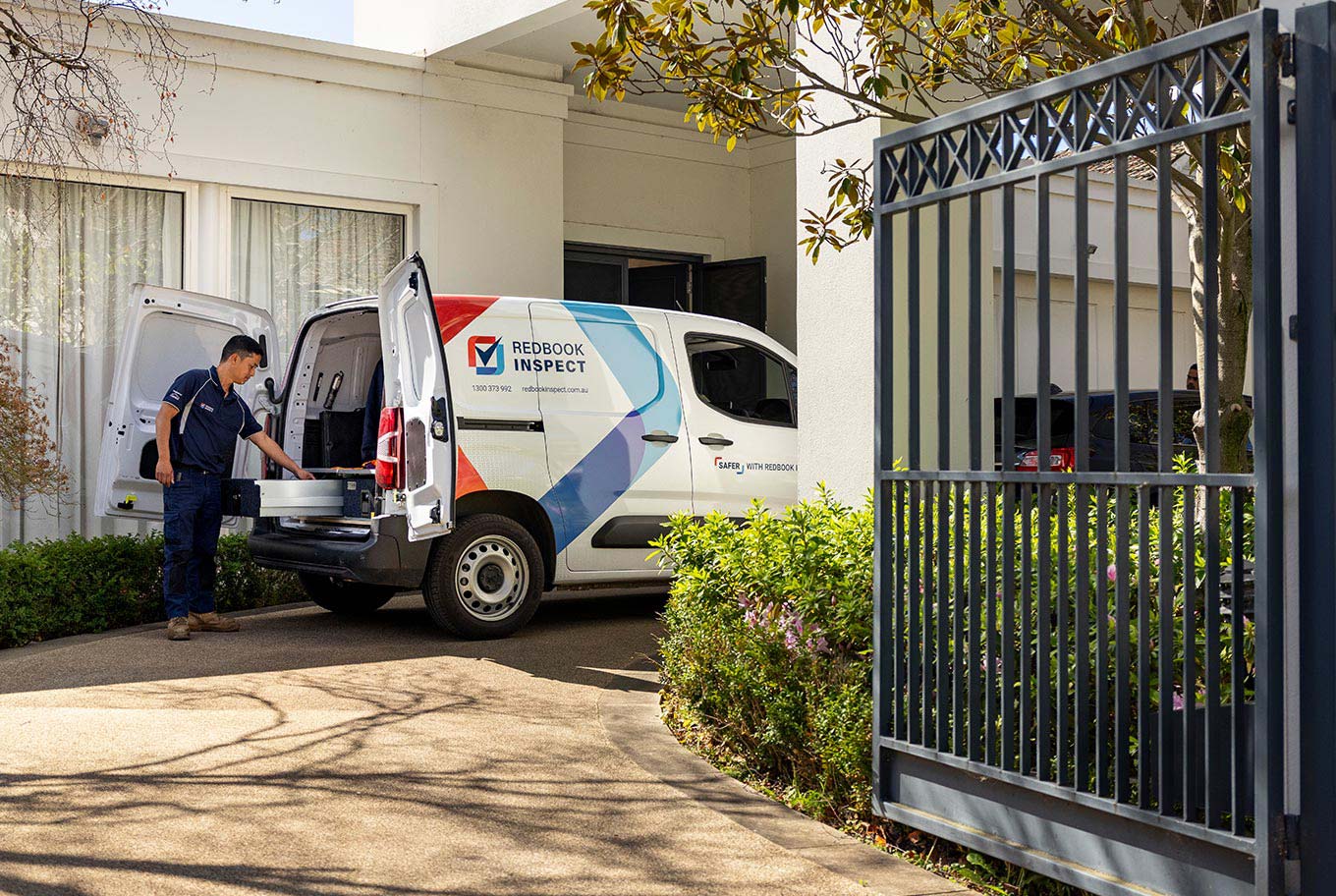
A RedBook Inspect pre-purchase car inspection can help identify visible mechanical issues, wear and defects that might affect your decision or future repair costs.
Before committing to the car
A sensible used-car buying process can include confirming the VIN, completing a PPSR search, reviewing service records, checking the seller’s documentation, taking a proper test drive and arranging a professional inspection.
Each check covers a different part of the story. RedBook Inspect can help with the vehicle-condition side of that process, giving you more information before paying for the car.