
Understanding what a VIN is, where to find it and what a VIN-based check can reveal can help you investigate a vehicle before you agree to buy it. RedBook Inspect combines this record-checking context with practical pre-purchase inspection advice for Australian used-car buyers.
What is a VIN?
A VIN is the unique serial number used to identify a motor vehicle. For most vehicles built after 1989, the VIN is 17 characters long and contains letters and numbers.
It is different from the registration plate number. Number plates can change during a vehicle’s life, but the VIN is tied to the vehicle itself.
Where can you find the VIN?
The VIN is usually displayed in more than one location. Depending on the vehicle, you may find it at the bottom of the windscreen, inside the driver-side door area, under the bonnet or on registration documents.
Before completing a check, compare the VIN shown on the vehicle with the VIN on the paperwork. If the numbers do not match, investigate the discrepancy before proceeding.
What can a VIN check tell you in Australia?
A VIN can be used to search the Personal Property Securities Register. An official PPSR vehicle search can tell you whether a security interest is recorded against the vehicle. The search may also return available information such as make, model, colour, written-off status and stolen status.
This can be particularly useful when buying a used car privately, where you want to understand whether the vehicle may be subject to an existing security interest.
What a VIN check does not tell you
A VIN-based record search does not replace a physical inspection. It cannot tell you whether the engine has an oil leak, the tyres are close to replacement, the suspension is worn or the body shows signs of poor-quality repairs that are not reflected in the records returned.
For that reason, a VIN check and a pre-purchase car inspection serve different purposes.
How to check a VIN before buying
Start by locating the VIN on the vehicle and checking that it matches the seller’s documents. Then enter the VIN carefully when completing your PPSR search. A typo can mean you search the wrong identifier, so it is worth checking every character.
Most post-1989 vehicles use a 17-character VIN. Older vehicles may use a chassis number instead.
Should you arrange an inspection as well?
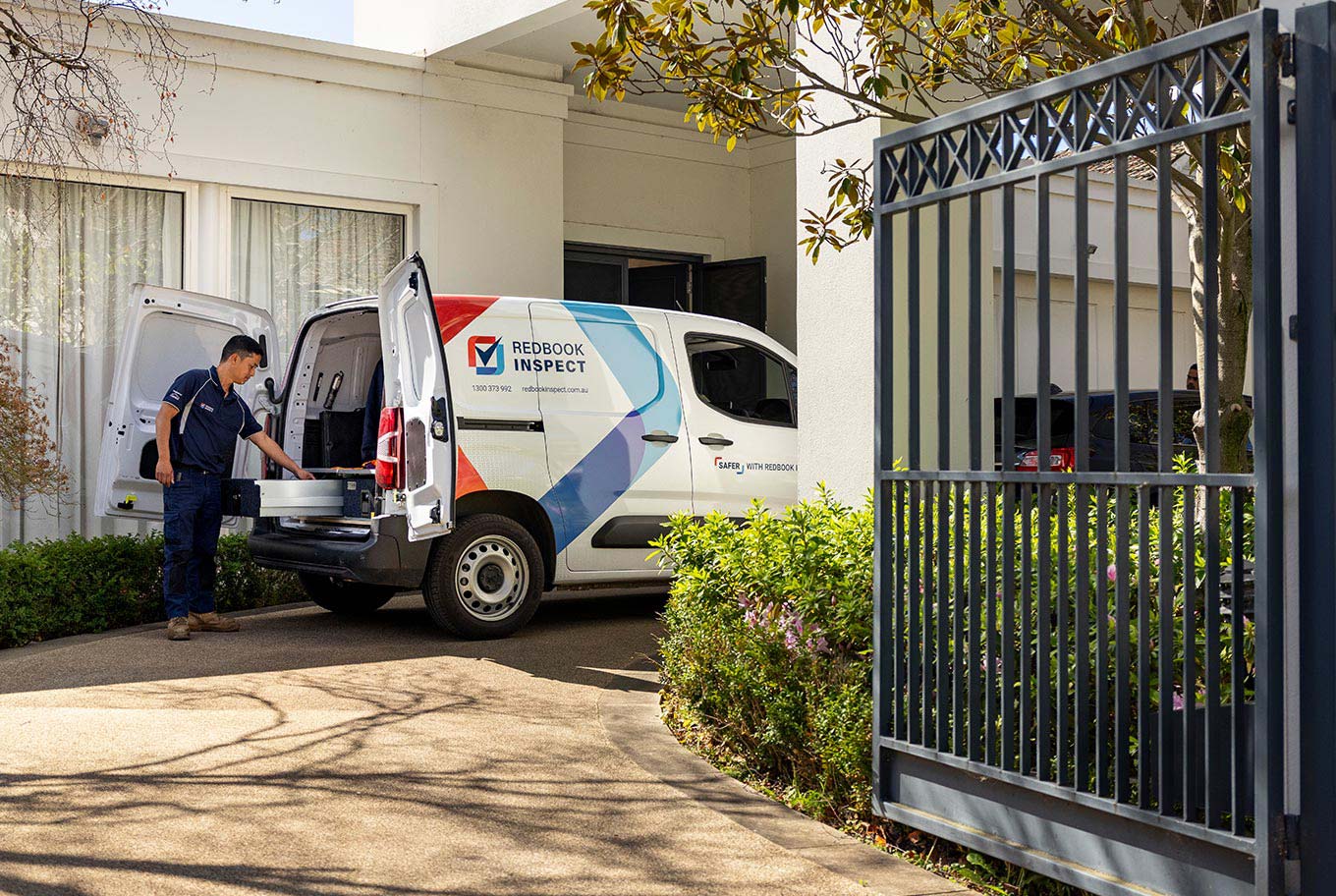
If you want to understand the car’s current condition, a RedBook Inspect pre-purchase car inspection is the next piece of the puzzle. An inspector can assess the physical vehicle and report on visible defects, wear and mechanical concerns before you decide whether to proceed.
The VIN helps you investigate the vehicle’s recorded status. The inspection helps you investigate the vehicle sitting in front of you.
A smarter used-car buying process
Before buying, confirm the VIN, complete the relevant record checks, review the service history, inspect the paperwork and arrange a professional inspection where appropriate. RedBook Inspect can help you add an independent assessment of the vehicle’s physical condition to that process.